
Transmission
The Man with the Ash-Hat
A spoken winter tale for the Rauhnacht nights. Folklore, ritual sound, and quiet narration. Twelve nights between years. Listen in darkness.
Some years ago, an old woman lived in a room in the withering Freyenstein. Snow fell. It was quiet outside, and dark. A small coal-burning oven in the corner barely warmed stone walls. The woman sat at the table, wondering whether to eat the last piece of bread or save it for another day.
“I’m not hungry enough yet,” she whispered, and wrapped a scarf around it.
She wanted to blow out the candle as she heard steps approaching, stopping right before her room. Then the latch lifted, and cold air rushed in.
A man stepped inside. She couldn’t see him well in the dim light, but his coat was grey, and a wide ash-hat shadowed his face. He closed the door behind him and sat down at the table without a word. His fingers moved through his long beard. He drew a small pipe, lit it with her candle, and began to smoke, staring at the floor as if remembering something very old.
The woman didn’t dare to speak. She waited. He said nothing, lost in his thoughts. The moon appeared in her window, looking like an old painting, and disappeared again. So they sat for many hours. The scent of smoldering fir filled the room. An owl called into the cold.
More than once, she wondered if she had slipped into a dream, but every time she looked, he was there. Smoking, breathing.
When her eyes grew too heavy, she whispered,
“Good night. Douse the candle when you leave.”
He kept staring, smoking the pipe. She fell asleep listening to the sound of his quiet breath.
The sun woke her the next morning. The chair was empty. He had doused the candle. She waited for him the next night, and many nights after.
He never returned.
Der Mann mit dem Schlackhut.
Mündlich, aus Beerfelden im Erbachischen.
Es hat vor ein Paar Jahren noch eine alte Frau eines der Zimmer des verfallenen Freyensteins bewohnt.[S. 361] Eines Abends trat zu ihr ganz unbefangen in die Stube herein ein Mann, der einen grauen Rock, einen großen Schlackhut und einen langen Bart trug. Er hing seinen Hut an den Nagel, saß, ohne sich um jemand zu bekümmern, nieder an Tisch, zog ein kurz Tabakspfeifchen aus dem Sack und rauchte. So blieb dieser Graue immer hinter seinem Tisch sitzen. Die Alte konnte seinen Abgang nicht erwarten und legte sich ins Bett. Morgens war das Gespenst geschwunden. — Des Schulzen Sohn verzählte: “den ersten Christtagmorgen, während Amt in der Kirche gehalten wurde, saß meine Frähle (Großmutter) in unsrer Stube und bätete. Als sie einmal vom Buch aufsah und gerade nach dem Schloßgarten guckte, erblickte sie oben einen Mann in grauer Kutte und einem Schlackhut stehen, der hackte von Zeit zu Zeit. So haben wir und alle Nachbarn ihn gesehen. Als die Sonne unterging, verschwand er.”
Deutsche Sagen (Grimm, 1816)
This reading is an adaptation based on a traditional folk account recorded in the 19th century. The language and structure were shaped for oral transmission.
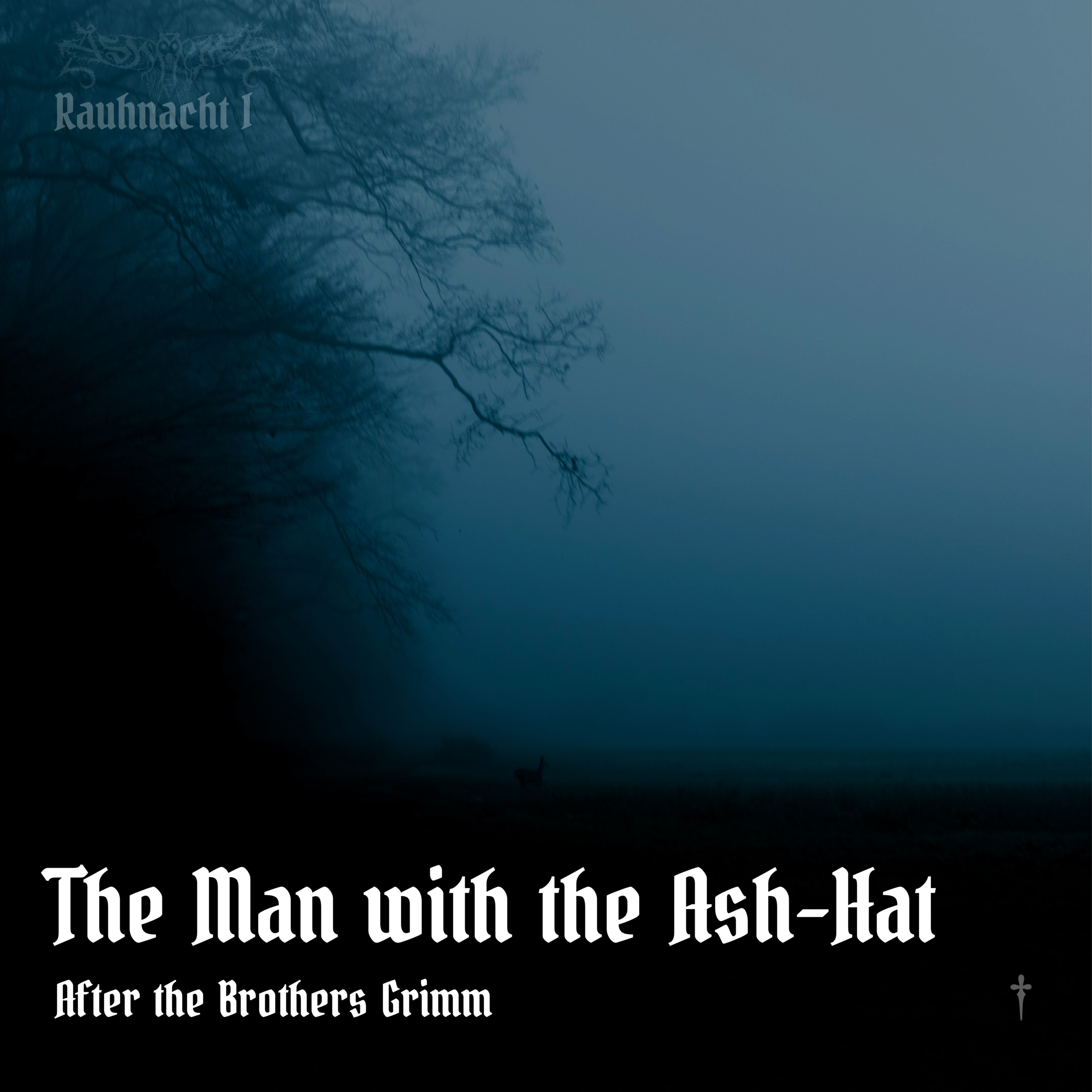
Original photography by Branimir Balogović. Manipulated by Ashmore under the Unsplash License.
Comments
Join the conversation
Sign in or create account