
Transmission
The Village by the Sea
A spoken winter tale for the Rauhnacht nights. Folklore, ritual sound, and quiet narration. Twelve nights between years. Listen in darkness.
A woman walked on the beach. She stood in the sand, watching the sky. Seagulls flew over her head and drew shadows across the sun. God whispered in the waves, in the smell of salt, in the songs of the birds. She prayed without a word, becoming part of that quiet.
Until the villagers’ children threw sand at her.
She turned. Church was over, and the people from the village stood all around her in their fine clothes. On Sundays, they muttered, one should go to church and wear the best linen.
“I prayed,” she said.
But they laughed. Prayer belonged in a building, they told her. Holy places were not made of sand and waves and screaming gulls.
She closed her eyes.
God, dear God. Do not count their sin. Do not take revenge. Show your mercy in sand and waves.
But the next morning, two oxen came and rooted their horns into a great dune until the sun went down.
That night, a storm rose from the sea and blew the loosened sand across the village, covering it whole. Nothing that breathed survived.
People from the neighboring villages came and wept when they saw what had happened. They dug all day to uncover the buried houses. But when they slept, the wind returned and covered everything again.
And so the village remains buried, even now.
Das Dorf am Meer.
Mündlich, aus Holstein.
Eine Heilige ging am Strand, sah nur zum Himmel und bätete, da kamen die Bewohner des Dorfs[S. 156] Sonntags Nachmittag, ein jeder geputzt in seidenen Kleidern, seinen Schatz im Arm, und spotteten ihrer Frömmigkeit. Sie achtete nicht darauf und bat Gott, daß er ihnen diese Sünde nicht zurechnen wolle. Am andern Morgen aber kamen zwei Ochsen und wühlten mit ihren Hörnern in einem nahgelegenen großen Sandberg bis es Abend war; und in der Nacht kam ein mächtiger Sturmwind und wehte den ganzen aufgelockerten Sandberg über das Dorf hin, so daß es ganz zugedeckt wurde und alles darin, was Athem hatte, verdarb. Wenn die Leute aus benachbarten Dörfern herbeikamen und das verschüttete aufgraben wollten, so war immer, was sie Tags über gearbeitet, Nachts wieder zugeweht. Das dauert bis auf den heutigen Tag.
Deutsche Sagen (Grimm, 1816)
This reading is an adaptation based on a traditional folk account recorded in the 19th century. The language and structure were shaped for oral transmission.
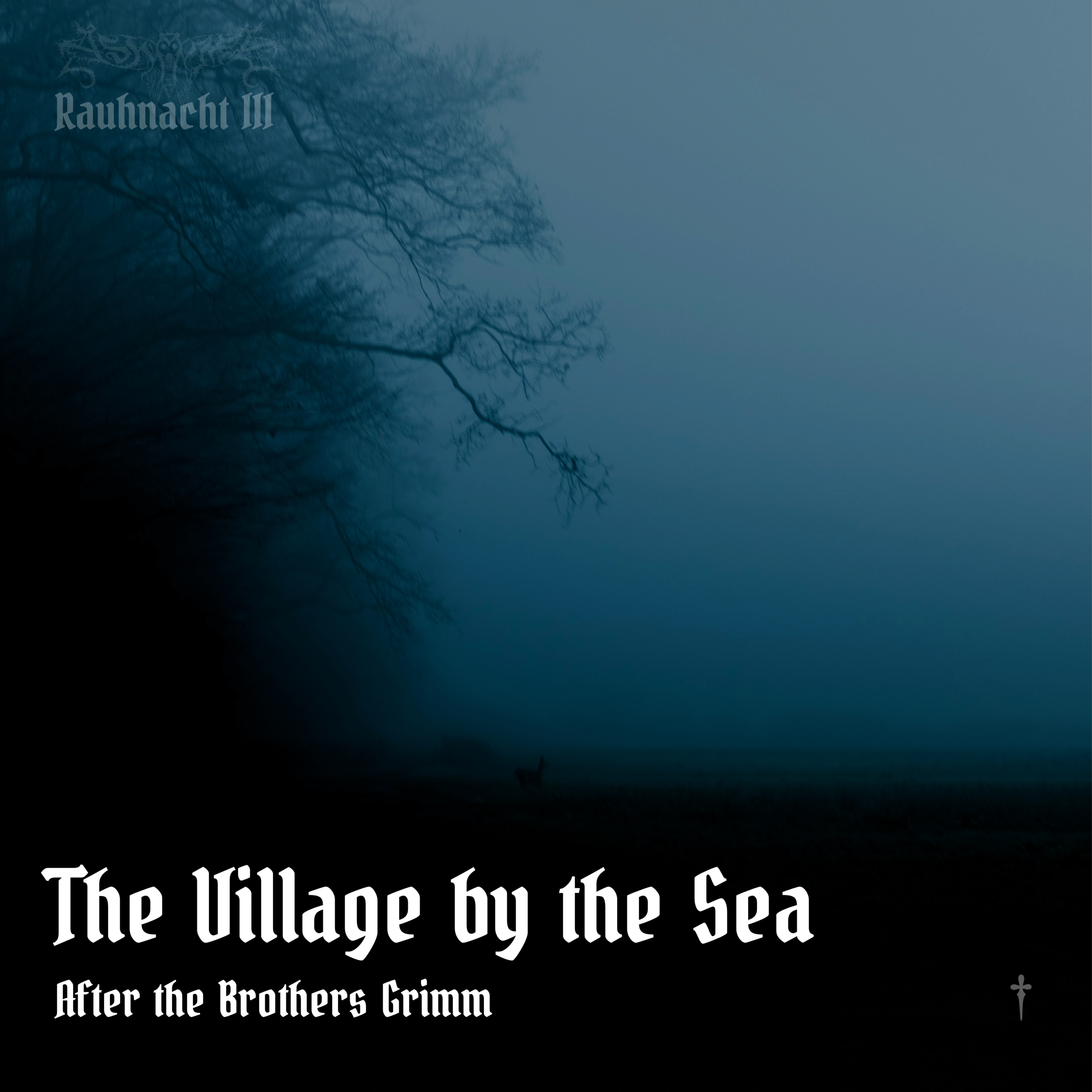
Original photography by Branimir Balogović. Manipulated by Ashmore under the Unsplash License.
Comments
Join the conversation
Sign in or create account