Transmission
Zusammenkunft der Todten
A spoken winter tale for the Rauhnacht nights. Folklore, ritual sound, and quiet narration. Twelve nights between years. Listen in darkness.
The queen had died.
She was brought to a great hall where she lay on a bed carved from dark wood and adorned with gold. Black linen covered the windows, hid the gray walls, and dusty paintings. When night fell, candles were lit, painting dancing shadows on the walls.
Forty-nine soldiers and their captain kept watch in the anteroom.
At midnight, the men heard wheels on the gravel. A carriage approached, pulled by six black horses.
A guard opened the door, and a woman stepped out. She was dressed in mourning-black, from veil to shoes. When she spoke, the captain recognized the fine words that only the old nobles knew. He lowered his gaze, not knowing why.
She asked to see the dead queen.
I don’t hold the power to grant such a visit, the captain responded.
She did not relent.
She leaned close, whispered a name into his ear. The men saw their captain’s face falter.
Then she told him she had a right to enter.
She was the Queen’s Oberhofmeisterin, keeper of her household and as such, permitted to see her once before burial.
He hesitated, but she pressed, and so he led her into the hall.
He closed the doors behind him and waited, restlessly walking up and down. After a while, he stopped before the door, listening.
Then he bent to the keyhole.
The dead queen sat upright in her bed and whispered to the woman in black.
Her face was pale and waxen; she didn’t move anything except for the slow shifting of her lips.
The captain shuddered, called his men, one by one, to look through the keyhole. Everyone saw the same: the dead queen speaking softly in the candlelight.
When the captain looked again, she was sinking back. Then she lay in her pillows as if nothing had happened.
A moment later, the woman in black opened the door. The captain escorted her to the carriage. When he helped her climb inside, his hand touched hers.
It was cold as ice, like a breath of death itself.
The horses whinnied, and the carriage rolled away as quickly as it arrived.
Further down the road, the captain saw sparks trail from their breath as if they exhaled fire.
At dawn, a messenger arrived.
Grave news, I carry. The Oberhofmeisterin of this house, who lived many hours from here, died last night, at midnight!
The exact hour, as the captain saw her talking to the queen.
Zusammenkunft der Todten
Mündlich, aus Hessen.
Eine Königin war gestorben und lag in einem schwarz ausgehängten Trauersaal auf dem Prachtbette. Nachts wurde der Saal mit Wachskerzen hell erleuchtet und in einem Vorzimmer befand sich die Wache: ein Hauptmann mit neun und vierzig Mann. Gegen Mitternacht hört dieser, wie ein sechsspänniger Wagen rasch vor das Schloß fährt, geht hinab und eine in Trauer gekleidete Frau, von edlem und vornehmem Anstande, kommt ihm entgegen und bittet um die Erlaubniß, eine kurze Zeit bei der Todten verweilen zu dürfen. Er stellt ihr vor, daß er nicht die Macht[S. 442] habe, dies zu bewilligen, sie nennt aber ihren wohlbekannten Namen und sagt, als Oberhofmeisterin der Verstorbenen gebühre ihr das Recht, sie noch einmal, eh sie beerdigt werde, zu sehen. Er ist unschlüssig, aber sie dringt so lange, daß er nichts schickliches mehr einzuwenden weiß und sie hineinführt. Er selbst, nachdem er die Thüre des Saals wieder zugemacht, geht haußen auf und ab. Nach einiger Zeit bleibt er vor der Thüre stehen, horcht und blickt durchs Schlüsselloch, da sieht er, wie die todte Königin aufrecht sitzt und leise zu der Frau spricht, doch mit verschlossenen Augen und ohne eine andere Belebung der Gesichtszüge, als daß die Lippen sich ein wenig bewegen. Er heißt die Soldaten, einen nach dem andern, hineinsehen und jeder erblickt dasselbe; endlich naht er selbst wieder, da legt sich die Todte eben langsam auf das Prachtbett zurück. Gleich darnach kommt die Frau wieder heraus und wird vom Hauptmann hinab geführt; dieser fühlt, indem er sie in den Wagen hebt, daß ihre Hand eiskalt ist. Der Wagen eilt, so schnell er gekommen, wieder fort und der Hauptmann sieht, wie in der Ferne die Pferde Feuerfunken ausathmen. Am andern Morgen kommt die Nachricht, daß die Oberhofmeisterin, welche mehrere Stunden weit auf einem Landhause wohnte, um Mitternacht und gerade in der Stunde gestorben ist, wo sie bei der Todten war.
Deutsche Sagen (Grimm, 1816)
This reading is an adaptation based on a traditional folk account recorded in the 19th century. The language and structure were shaped for oral transmission.
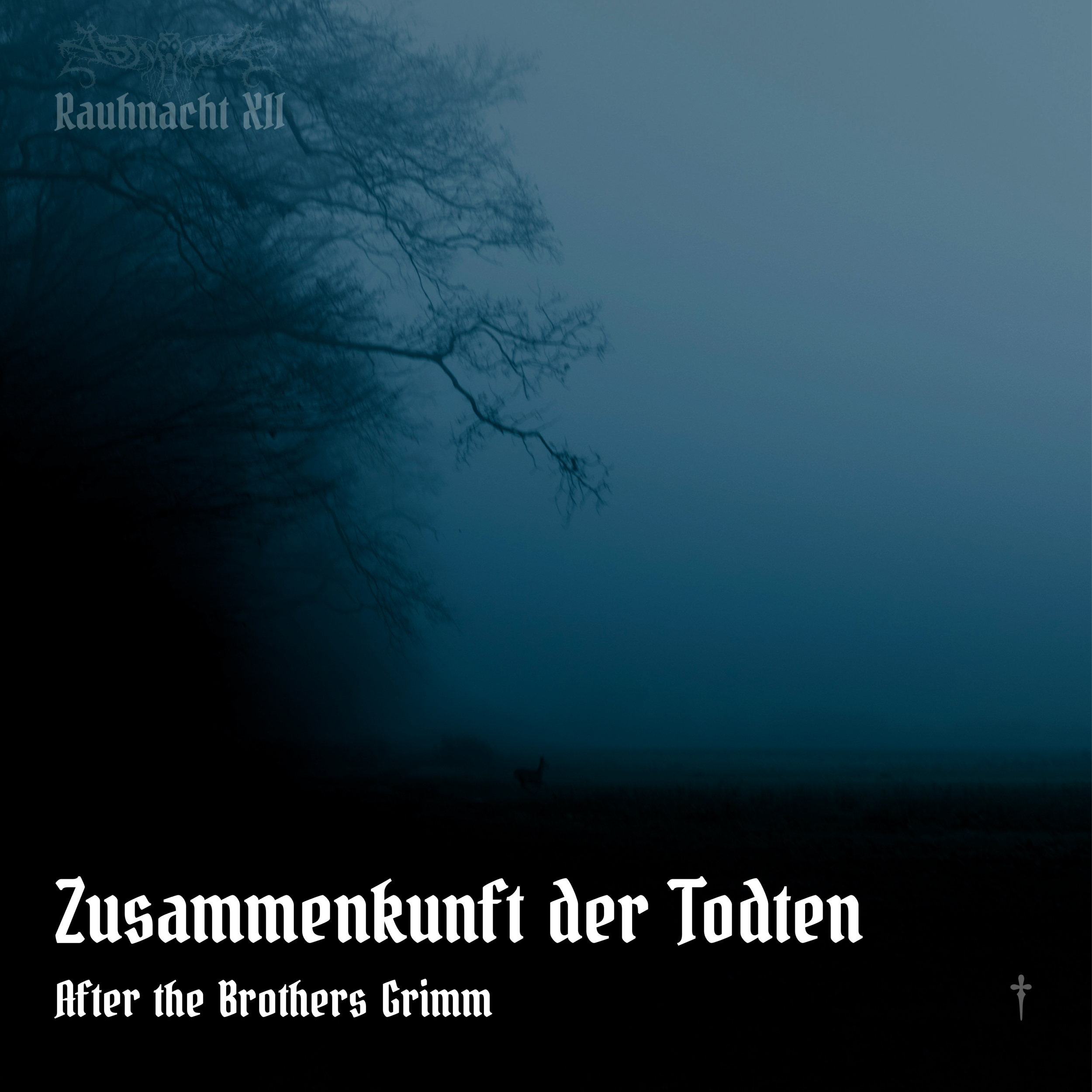
Original photography by Branimir Balogović. Manipulated by Ashmore under the Unsplash License.
Comments
Join the conversation
Sign in or create account